
Andrew Latreille
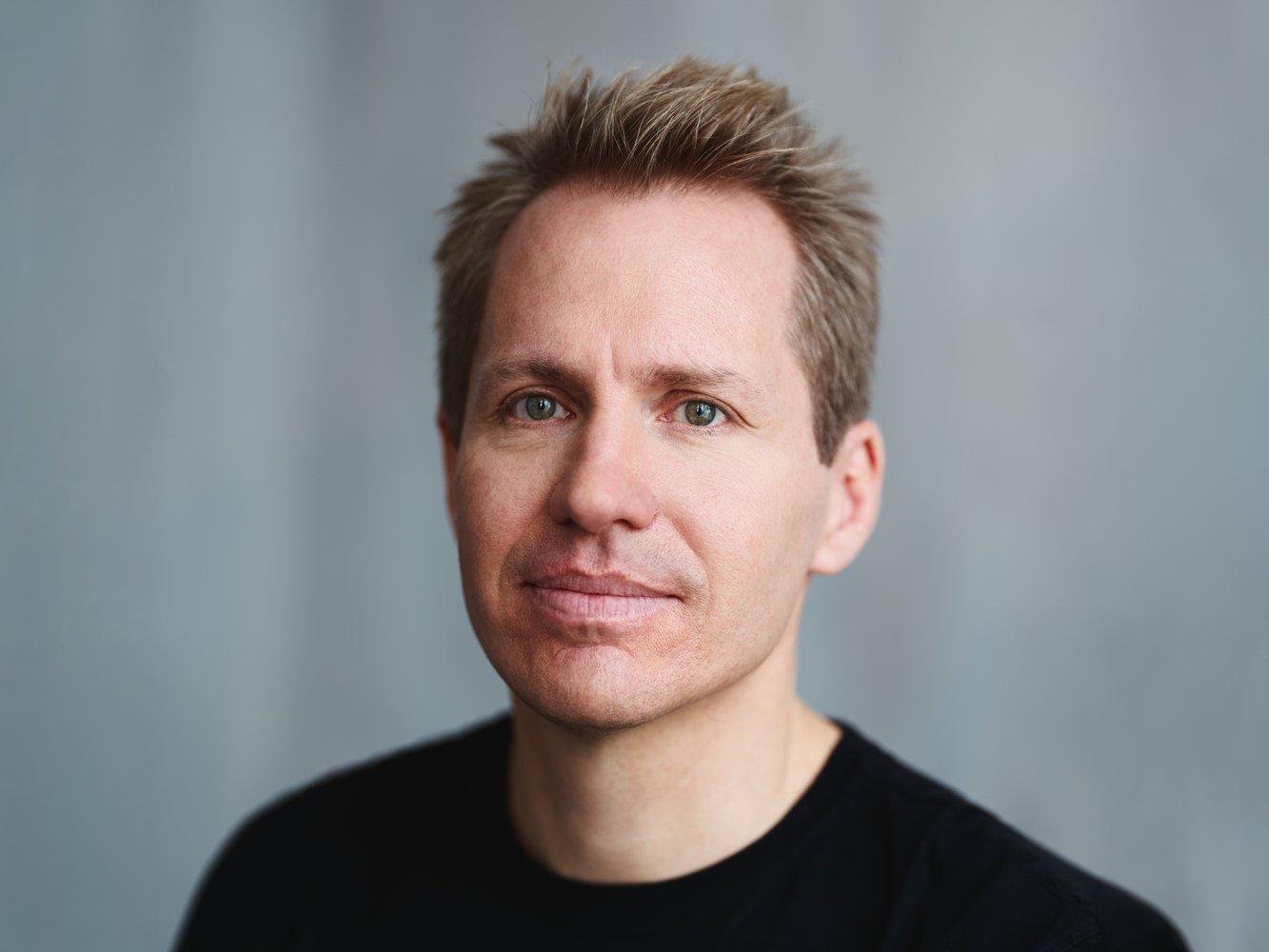
Andrew Latreille is Vancouver-based visual artist whose photographic practice investigates the relationships between time, environment, and human impact.
With a background in architecture and a lifelong connection to the land; from the outback in Australia to northern tundra of Canada, Latreille’s practice balances conceptual and emotional depth. The often-long-term projects delve into our evolving relationship with place; culturally, socially and environmentally.
This deep commitment to extended visual inquiry enables Latreille’s practice to move beyond conventional documentation as he explores perceptual shifts, those transitional moments where he can reveal the unexpected or the emotion of a place. His series are atmospheric and textural, inviting viewers through subtle light, layered meaning, and the transformative power of time.
His fascination with the search for these threshold moments, he terms harnessing liminal space.
His most recent body of work, Crossover: Aquarelle furthers his exploration into the liminal moment between fire and regeneration. The work invites viewers into the quiet immensity of a Boreal Forest in the North West Territories. Titled photographs yet reminiscent of watercolour, the works act as a vehicle to expand our perception past what is immediately apparent.
Latreille’s practice has constantly sought this liminal space. In 2018, exhibiting at the Venice Biennale's Time Space Existence, his Then and Now series, a visual dialogue threading fleeting moments of architecture in progress with those of its completed form.
Latreille’s imagery has been recognized in the Applied Arts Awards, Lucie Awards, Black & White Spider Awards, and the Architecture Photography Masterprize. His architectural photography is regularly featured in national and international exhibitions showcasing his clients design work.
He is a dedicated community contributor, serving as a National Board Member and Vancouver Chapter President of the Canadian Association of Professional Image Creators (CAPIC), volunteering at local photography schools and as an ambassador for Phase One and Arca Swiss Cameras.
ARTIST’S STATEMENT
“Day turns to night, and night becomes day, smoke obscures the beating sun’s rays, the fire’s intensity overpowers the moon’s cool soft light.”
The series title, familiar to wildfire professionals, defines the moment of “Crossover” a perceptual shift as disorienting as it is sublime where extreme and volatile fire cause perception and time to destabilise.
Both method and metaphor, Crossover is an exercise in shifting perception that questions how we might remain open to what lies beyond an image or story.
The series challenges the historical norm of forest fire photography, typically made immediately after the blaze. I remove fire from its expected environment of heat, chaos and destruction, placing the aftermath within the calm atmosphere of a subzero winter night. Captured under full moonlight, the photographs appear daylit, landscapes that are more than landscapes.
This approach is informed by how we encounter wildfire through media. Edward Struzik in his book Dark Days at Noon: The Future of Fire describes how, since the nineteenth century, representations of wildfire have contributed to a cultural response that positions fire as an enemy, contrasting with Indigenous understandings of fire as an ecological process. In an age of digital media, where we rapidly move from one story to the next, Crossover asks us to pause and reconsider what we are being shown.
The series spans three chapters across Western Canada. The original Crossover works were made over two winters in British Columbia following the 2021 fires, K71030 and K61882. Crossover: Aquarelle followed fire ZF009-22 north to the boreal forest near Yellowknife in 2023, through traditional in camera techniques introduces a translucent tactility reminiscent of layered watercolour. Crossover: Trace Residuum returns to British Columbia in 2025–2026, extending these techniques crafting photographs again resembling another medium.
Across the series, I have consciously moved beyond conventional documentation, testing what a photograph can be and how it might appear as something other than a photograph.
Crossover is an invitation to slow down, look again, and consider what becomes visible when we allow ourselves time.