
Elizabeth Varner
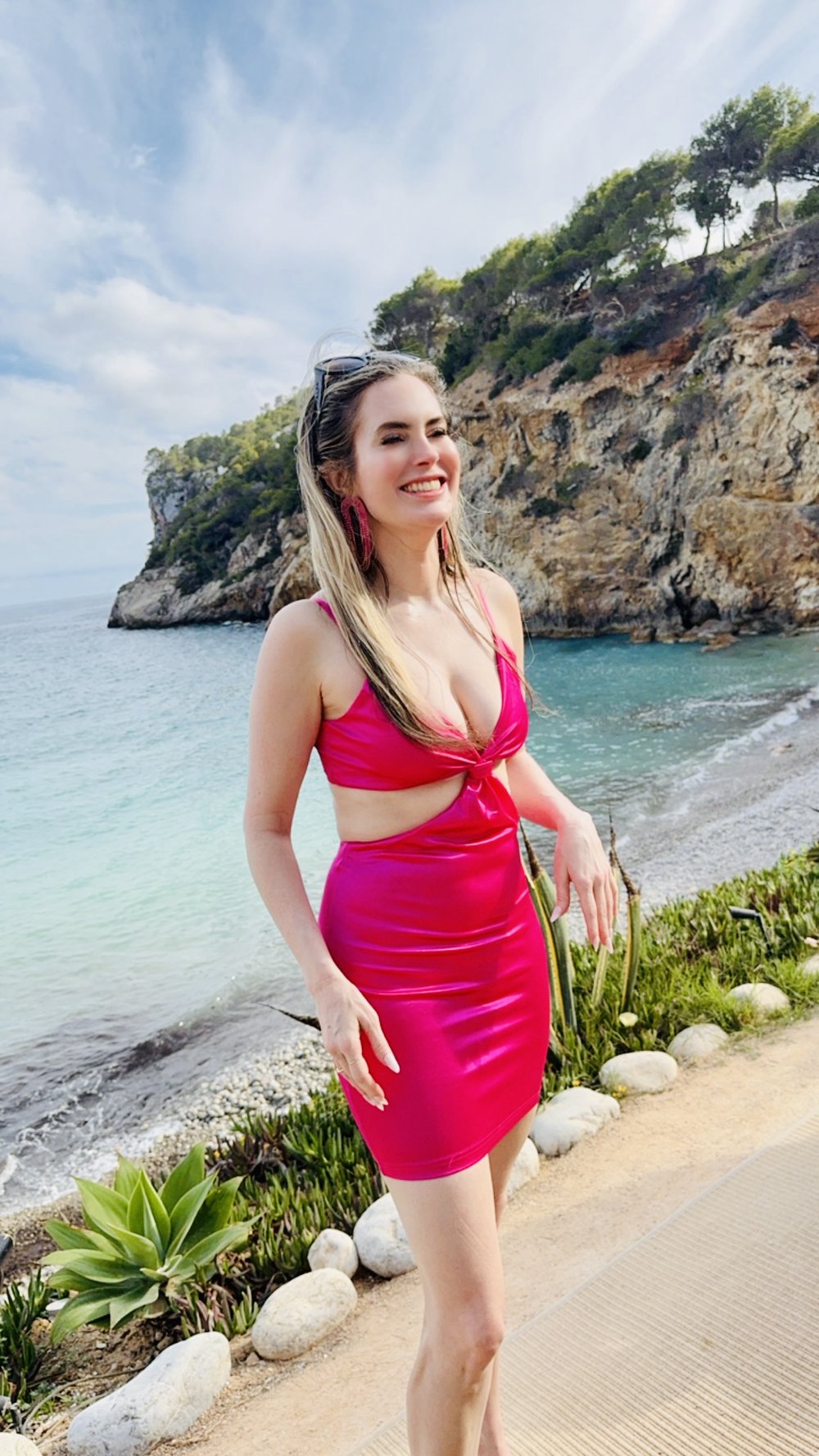
Elizabeth C. Varner is a multidisciplinary artist whose practice spans painting, mixed media, sculpture, and photography. Her work investigates themes of transformation, adventure, and the dialogue between humanity and nature—exploring cycles of rebirth and decay, reinterpretation, and the layered textures of lived experience. Drawing inspiration from nature, fashion photography, and pop culture, Varner integrates hyper-saturated abstraction with hyper-realistic detail, creating works that are simultaneously visceral and contemplative. Sculptural elements often extend from her two-dimensional pieces, collapsing the space between artwork and viewer.
Her creative process frequently begins with expeditionary photography captured across the globe—from Nepal to Europe, Southeast Asia, Africa, and the United States. These images become the foundation for collage, layered painting, or dimensional sculptural transformation, resulting in compositions that embody both immediacy and depth.
Varner has exhibited in solo presentations at Art Miami Week, Spectrum (Miami); Superfine Fair (New York; Washington, DC), and Green Goat Gallery (NC). Her work has also been featured in group exhibitions at Cherry Blossom National Festival (Washington, DC), Art Miami Week, Red Dot (Miami), Palm Beach Art Fair (Palm Beach), as well as institutional settings including Salem College, Salem Academy, and the University of North Carolina–Chapel Hill. Her artworks have been represented by MiDo Galleria, Steidel Contemporary, and Artsy, and her imagery has been published by Oxford University Press.
Educated at leading institutions, Varner holds a PhD from University College London, a Juris Doctor from Tulane University, and a Master of Arts from the Smithsonian–Corcoran College of Art + Design. She further trained in art and business at the Sotheby’s Institute of Art and studied at the University of North Carolina–Chapel Hill and Salem Academy.
In addition to her studio practice, Varner has contributed significantly to the cultural sector as a museum director, cultural administrator, curator, juror, and advisor to national and international institutions. This dual perspective—artist and cultural leader—shapes her work’s resonance with both contemporary aesthetics and the broader dialogue of cultural heritage.
ARTIST’S STATEMENT
Elizabeth C. Varner’s multidisciplinary practice unfolds as a continuous evolution of image-making—from photography and collage to impasto painting and sculptural installation—each stage extending and reconstituting the previous one. Rooted in over three decades of classical training and informed by art history, symbolism, and museological frameworks, her work engages a sustained inquiry into how images are constructed, translated, and ultimately experienced as objects in space.
Varner begins with photography as a form of visual authorship and global observation. Drawing on extensive international travel, she sources imagery, materials, and visual languages from diverse cultural contexts, engaging directly with both historic and contemporary environments. These encounters—spanning natural forms, urban textures, cultural artifacts, and overlooked or abject subjects—form the foundation of her visual archive. Through collage, she fragments and reorders these images, initiating a process of focused reinterpretation that destabilizes familiarity and redirects attention.
This visual language expands into painting, where dense impasto surfaces and saturated color transform the image into a materially driven field. Gesture, layering, and accumulation operate as both formal and conceptual strategies, translating photographic reference into physical presence. The work then extends into sculptural dimensions, where texture and projection collapse the boundary between image and object, situating the work within the viewer’s spatial and sensory experience.
Across this progression, Varner maintains a consistent focus on the reinterpretation of the ordinary. Subjects such as florals, bodily traces, and symbolic forms—including the flag—are re-presented through processes of isolation, repetition, and material intensification. Her incorporation of culturally loaded and abject imagery is deliberate, engaging art historical traditions while challenging hierarchies of beauty, value, and subject matter. These works establish a new dialogue around perception—what is elevated, what is dismissed, and how meaning shifts through context and presentation. The work oscillates between supersaturated intensity and stark neutrality, using these extremes to sharpen contrast, disrupt expectation, and advance this underlying dialogue.
Symbolism operates as an underlying structure throughout her practice, informed by both Western art history and cross-cultural visual systems encountered through travel. The flower functions as both a formal device and a conceptual motif, reconfigured into rhythmic, dimensional systems that oscillate between natural form and constructed pattern. Similarly, the flag emerges as a site of inquiry—its surface activated through fragmentation, texture, and recontextualization, opening space for layered readings without fixed resolution.
Varner’s work ultimately proposes that meaning is not inherent in subject matter, but constructed through process, material, and encounter. By moving fluidly across mediums while maintaining a rigorous conceptual core, she creates works that function simultaneously as images, objects, and immersive experiences—inviting viewers into an expanded and sustained engagement with the act of looking.