
Nesta Chavarria
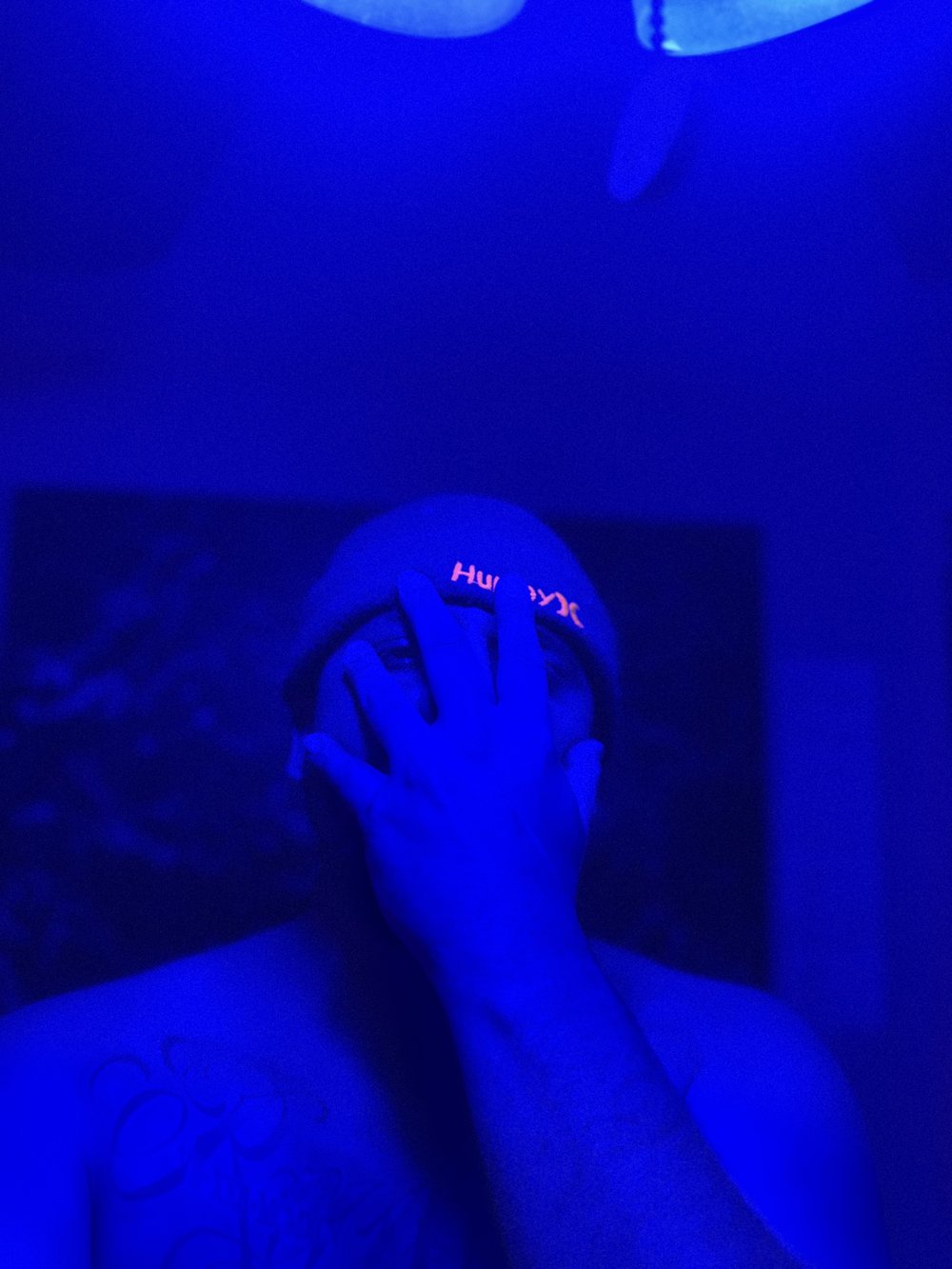
I paint because I have to. It started as a way to survive my own mind, and somewhere along the way it became the way I understand the world. My work lives in the space between chaos and clarity—where thoughts collide, emotions bleed through color, and the mind reveals what it usually hides.
Most of my paintings come from internal battles. Grief, depression, memory, time, pressure—those things leave marks on a person, and I translate those marks into texture and movement on canvas. I work primarily with acrylic, building thick layers and impasto surfaces that feel almost geological, like emotional sediment forming over time.
My style leans into dark palettes, heavy contrast, and raw abstraction. I’m less interested in perfect form and more interested in truth. A painting doesn’t need to explain itself—it just needs to feel undeniable. Many of my pieces explore the idea of the mind under siege, the tension between endurance and collapse.
I didn’t come from the traditional art world. I didn’t graduate college, and I didn’t follow the expected path. I built this practice from instinct, persistence, and an obsession with creating something honest. Every piece is original, one of one—no prints—because I believe each painting should exist as a singular moment of emotion and time.
ARTIST’S STATEMENT
My work comes from the inside of the mind—specifically the parts most people try to hide. I paint the tension of thought, the weight of memory, and the pressure that builds when the mind refuses to be quiet. For me, painting is not decoration. It is confrontation.
I work primarily with acrylic on canvas, building heavy layers of paint that feel almost physical. The texture matters as much as the image itself. I want the surface to carry weight—like emotion pressed into the canvas over time. My process is instinctive and physical: scraping, layering, and pushing paint until something honest appears.
A lot of my work explores the idea of the mind under siege. Time, grief, depression, memory, and pressure all appear as recurring forces. These are not abstract ideas to me—they are lived experiences that shape how I see the world. When I paint, I’m translating those internal battles into form, color, and movement.